
ID4Africa prioritizes digital identity ecosystems to center users at upcoming AGM
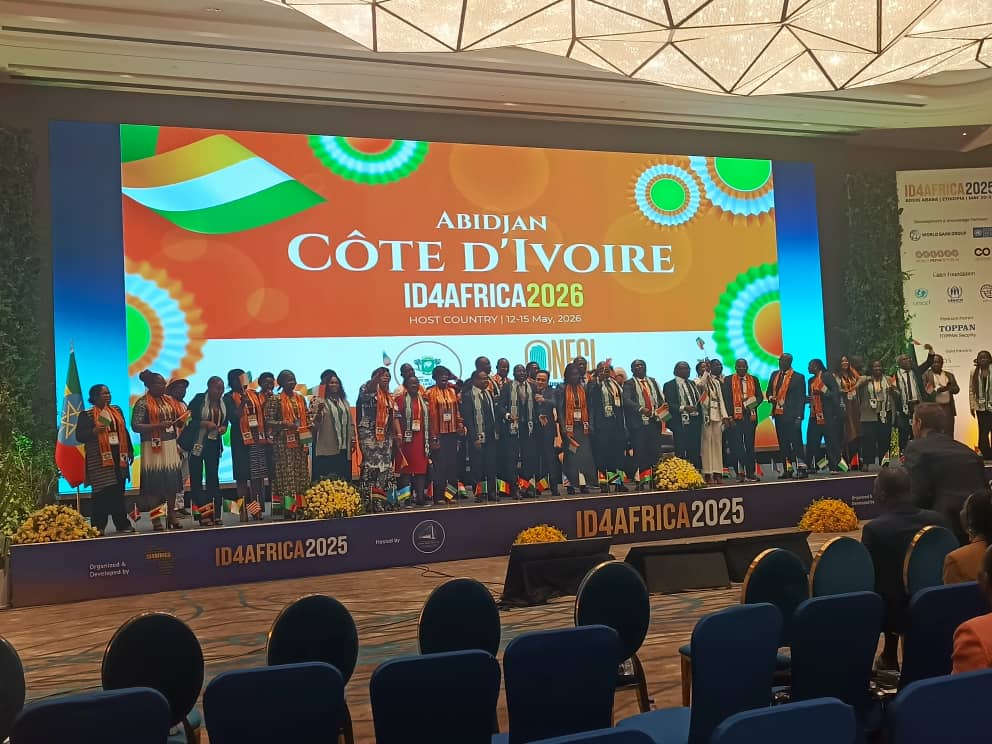
ID4Africa’s AGM has addressed a changed digital identity landscape in Africa each year, but the 2026 edition will reflect a set of interconnected ecosystems that have an altered relationship with those in the rest of the world, the movement’s Executive Chairman Dr. Joseph Atick explained to Biometric Update in an interview.
The agenda is gradually rolling out, revealing several new session formats and four full days of programming.
Country Playbooks are prominent among the new initiatives introduced for the 2026 ID4Africa AGM in Abidjan, Côte d’Ivoire. The Playbooks are 13 sets of instructions curated from the top lessons learned by Africa’s identity authorities. Each presents practical lessons learned during the real-world implementation of digital identity policies, in an example of the leadership that will be featured repeatedly throughout the event.
Timely high-priority issues will be examined in a series of seven “Frontline” plenary sessions on day two, another new format for 2026.
Stakeholder relevance maps have been introduced for 2026 as well, to help attendees find their way through the AGM’s massive program.
Digital public ecosystems
Infrastructure is only one element of success for digital ID and service delivery, Atick points out. They do not work “without people, without laws, without regulations.” As multiple self-sufficient infrastructures converge, interoperate and interact across sectors and borders, the best way to consider progress is by focusing on ecosystems, he argues.
ID4Africa has built its digital identity movement “as a community of ecosystems,” Atick says, including identity authorities and ICT authorities, but also data protection authorities (DPAs), civil society, private sector groups including the banking sector, cybersecurity exerts and others.
Each stakeholder group within the ecosystem is interdependent.
Atick expresses some surprise that the international development community has not adopted “digital public ecosystems” as a description of the desired outcome.
Ecosystems do not develop prescriptively, Atick points out, but according to principles of order that can be understood.
“The discussions so far have been focused too much on technology and too little on society, and digital society as a reflection of the digital transformation enabled by the most important pillar, which is digital identity that’s under development.”
The focus on ecosystems is intended in part to address this disparity.
Including all voices in the ecosystem is matter of ensuring engagement with that ecosystem happens at the right level, Atick says, citing ID4Africa’s concerted effort to include “robust participation” by civil society groups.
“You can’t work at macro scale or micro scale, you have to work at the appropriate scale where you can make progress,” he explains.
This is why government decision-makers are joined at ID4Africa’s AGM by so many representatives from DPAs, civil society, and a diverse group of relying parties, such as banking and healthcare service providers.
It is also why attracting high-level politicians is not a focus for ID4Africa. While several government ministers will deliver keynotes, they are not the meeting’s main constituency, and they represent a small minority among the over-200 total speakers.
The exchange of knowledge is the priority, not “political manifestos.” And, Atick says, “the supply side is much, much richer than it’s ever been.” There is enough knowledge available, he says, to fill additional days of programming, so ID4Africa’s challenge is evolving to be more about selecting the most impactful presentations from among an ever-stronger list of candidates.
A reflection of how that knowledge-transfer proceeds in a healthy ecosystem, Atick says, is the growing number of conversations that have begun at one ID4Africa AGM, continued throughout the year, and borne practical fruits that yield insights shared in subsequent meetings.
“You can’t transfer that amount of knowledge in a four-day event,” Atick says. “You have to have months. But what you can do is spark the initial connection.”
Evolved credentials and business models
While technology must not dominate the meeting, changes that will affect the digital identity ecosystem like Verifiable Credentials and digital wallets that are transforming how credentials work will be in the spotlight this year, according to Atick.
Systems that allow identity authorities to give control over credentials to the individuals while maintaining the sustainability of those systems from a business perspective will also be in focus. Decentralization, Atick says, is coming.
“If you don’t decentralize, you’re not going to scale.”
Businesses completing identity verification in Africa are reporting massive increases in the volume of verifications. The industry is still nascent, Atick says, but degrees of magnitude ahead of a five years ago, as identity verification becomes an integral element of service delivery and a means of easing participation while lowering costs.
A consensus around the need for this digital transformation, which he says even includes former holdouts like DPAs, has changed the focus of the conversation to how to do so.
Data protection authorities play key roles in the ID4Africa Ambassador program, and also in the panel discussions planned for Abidjan. Civil society is very active within the community, Atick says.
Now central banks are stepping up their participation in the ecosystem as well, Atick says.
Banking, cybersecurity, how to successfully include refugees and the integration of civil registration and digital identity systems will be among the areas of focus in the six different tracks of sessions.
He argues that the changes in the ecosystem over recent years are reflective of Africa and the Global South drawing even with the Global North and countries like the United States in digital identity development. The inclusion of relaying parties as commercial partners with national digital ID systems in Ethiopia and Nigeria are an example of innovation from Africa influencing the development of systems in Europe.
Biometric Update will report on the ID4Africa 2026 AGM from on location in Abidjan, May 12 to 15.
Registration for ID4Africa’s 2026 AGM is open now.
Related Posts
-
 February 23, 2026
 -
 September 23, 2025
 -
 August 4, 2025
 -
 July 29, 2025
 -
 April 1, 2025
 -
February 11, 2026
Article Topics
Africa | biometrics | digital ID | Dr. Joseph Atick | ID4Africa | ID4Africa 2026

Comments