
UK gov’t sets digital ID against populism with fair DVS market uncertain
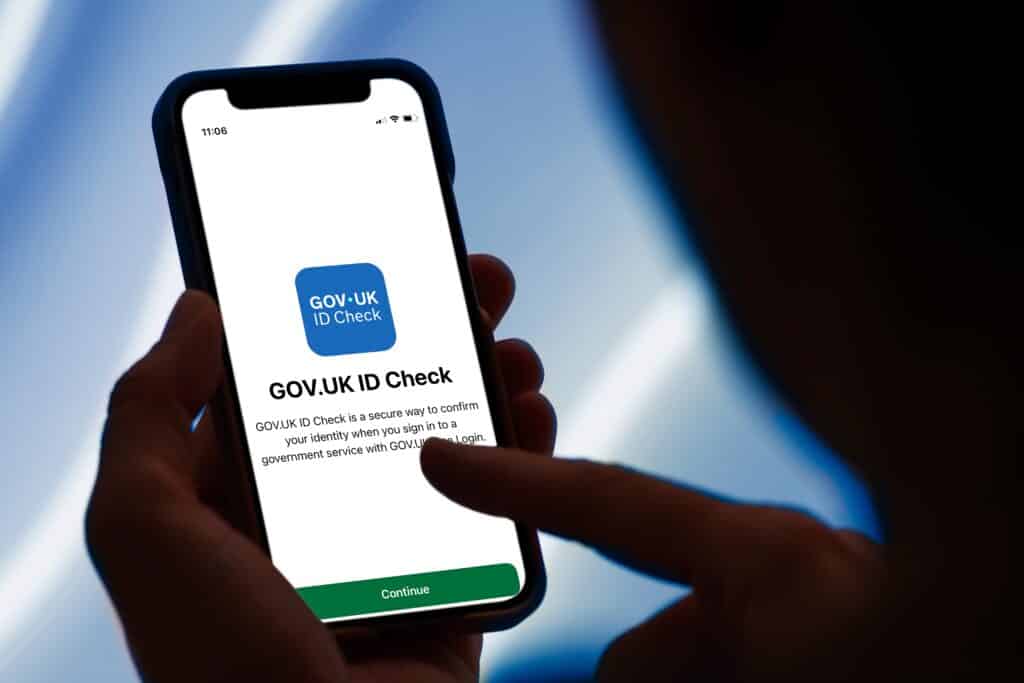
The UK government plans to introduce legislation for a paired-back national digital ID scheme after the summer, according to Chief Secretary to the Prime Minister Darren Jones.
In an interview with the Financial Times, Jones set out a timeline for the introduction of a minimum viable product, which would be used for voluntary right-to-work checks, by 2029.
Jones cites Australia’s approach to customer-centric public services via government-issued apps like myID as a model for improvement in the UK.
“A lot of the public think that they have no real influence over decisions taken about them in public services,” he said. “They associate the so-called broken state with their living standards not improving and the country not having the right direction.”
Addressing this situation with public service reform can help counter the rise of populism, Jones suggests.
The Tony Blair Institute championed this position in the early days of Prime Minister Kier Starmer’s first ill-fated attempt to launch digital ID, at the time for mandatory right-to-work checks. At the time, the check against populism was framed more in terms of recognizing and addressing immigration control as a legitimate source of grievance.
That plan involved launching a GOV.UK Wallet and a mobile driving license (mDL) in 2025, and while the original plan has been shelved, the same digital wallet and credentials are still expected to provide government-backed identity assurance.
Of course, the UK already has a system for right-to-work checks with digital identity.
Not enough information shared about information sharing
The Office for Digital Identities and Attributes (OfDIA) and the Department for Science, Innovation and Technology (DSIT) have shared some information on how the Information Gateway serving private sector digital verification service (DVS) providers with public sector data will work in a blog post on “enabling digital identity.”
Public authorities and DVS providers will be expected to enter into contracts and data sharing agreements to deal with the related fees and compliance obligations. The Information Gateway does not dictate how data should be shared, but most will choose APIs, according to the post.
“It is likely that in the majority of cases, public authorities will be able to best and most cheaply fulfil a request for information by securely sharing attributes via APIs. This will minimise the amount of information shared by the public authority,” OfDIA and DSIT say.
“Some public authorities will make information available by developing a digital credential, like a digital driving licence.”
DSIT has previously said a “Code of Practice” for disclosures using the Information Gateway mandated by the Data (Use and Access) Act is expected to receive approval from Parliament this summer.
The post does not address the most critical question for DVS providers though, Richard Oliphant says in a LinkedIn post: “Will they have the same rights as the GOV.UK Wallet to access and host the upcoming mobile driving licence (#mDL) and other government-issued verifiable credentials (VCs) such as a digital passport?”
Previous government statements that DVS providers would only have access to a credential derived from the VC, and therefore legally and cryptographically inferior, appear contrary to the aims of the Information Gateway on the books.
A consultation paper from the Cabinet Office says the GOV.UK Wallet will also be certified as a DVS provider.
Not only would this undermine fair competition in the DVS market, Oliphant says, it would also run afoul of the Subsidy Control Act 2022.
Related Posts
-
 March 10, 2026
 -
 March 5, 2026
 -
 March 11, 2026
 -
 December 12, 2025
 -
 January 2, 2026
 -
 January 9, 2026
Article Topics
Data (Use and Access) Bill (DUA) | Department for Science Innovation and Technology (DSIT) | digital ID | digital verification service (DVS) | DVS Trust Framework | UK | UK digital ID

Comments