
ID-Pal adds injection attack detection to counter advancements in AI fraud
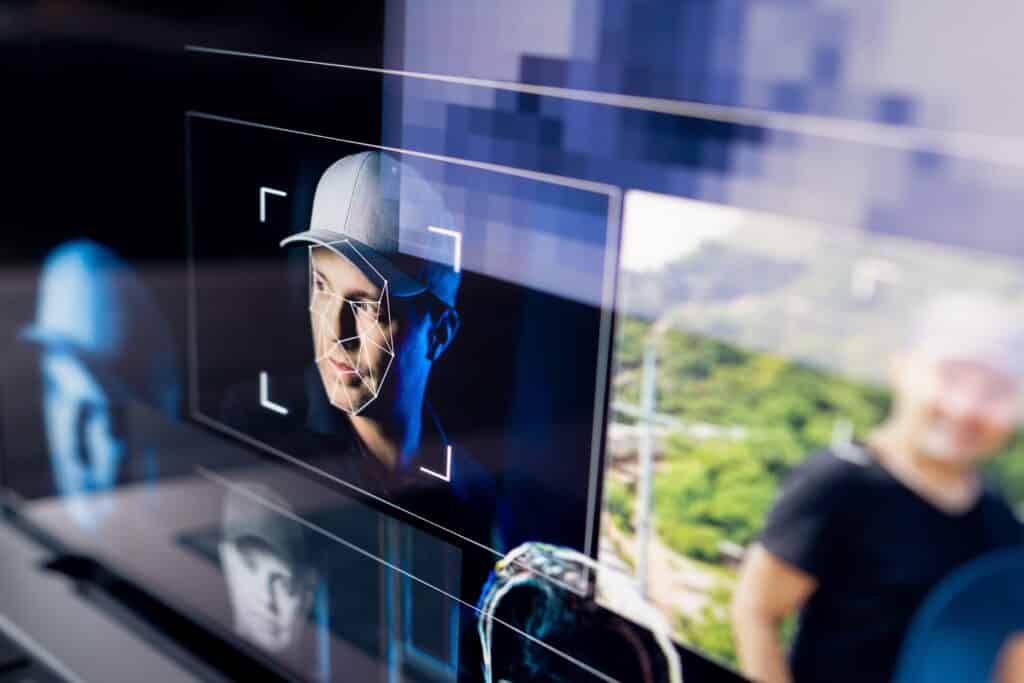
Identity verification and fraud prevention platform ID-Pal has added injection attack detection (IAD) to its liveness testing capabilities, enabling it to alert clients when a biometric facial matching session has been manipulated at the software or session layer.
A release from the Dublin-headquartered company cites advances in the sophistication of AI attacks as a motivating factor for the release, as voice cloning, synthetic identities, and prompt injection attacks become more prominent.
By adding Injection Attack Detection, ID-Pal now helps organizations detect both physical presentation attacks and camera feed manipulation during remote onboarding and verification, adding defense against photo attacks, video replay attacks, virtual camera injection, 2D and 3D masks and AI-generated and deepfake faces.
“Most vendors protect against presentation attacks, but far fewer protect against injection attacks,” says Colum Lyons, CEO of ID-Pal. “As deepfake technology improves, these attacks are becoming more scalable, harder to detect, and increasingly automated. Without injection detection, biometric verification can be bypassed even when liveness checks are enabled, exposing your business to a new generation of identity fraud.”
Rob Sheehan, ID-Pal’s head of product says “fraud tactics continue to evolve as criminals adopt AI-generated media and sophisticated manipulation tools. By expanding our liveness detection with this capability, we are helping organisations defend against a new generation of digital identity fraud.”
In late 2025, ID-Pal acquired UK SaaS know your business (KYB) provider NorthRow, and entered a strategic partnership with digital transformation provider MBS.
Related Posts
-
 March 19, 2026
 -
 December 3, 2025
 -
 September 16, 2025
 -
 June 24, 2025
 -
 July 21, 2025
 -
 February 26, 2026
Article Topics
biometric liveness detection | biometrics | ID-Pal | injection attack detection

Comments