
Growing role of biometrics in everyday life demands urgent deepfake response
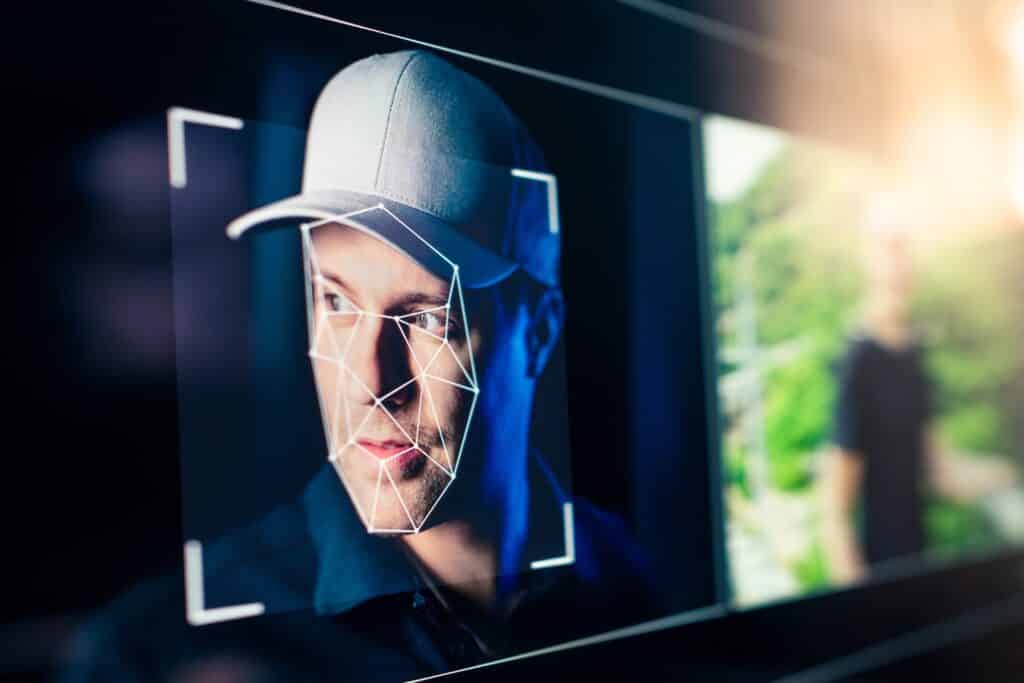
Biometrics are becoming more entrenched a couple of market segments, though not as fast as some would like. The top stories of the week on Biometric Update also indicate another wave of adoption through smartphones – and attendant risks.
Practical considerations for digital ID are coming to the for as adoption turns to everyday usefulness in Pakistan and Ethiopia, and EU Digital Identity Wallets offer a whole new set of opportunities, some of which are now more clearly defined.
National-scale digital identity is a target for startup Idbio, while investors are betting on access control biometrics growth, explored in a new market report from Biometric Update and Goode Intelligence, to benefit Alcatraz AI.
Then there are the long-running dramas of the biometrics marketplace.
The CEO of Europe’s largest airline group has some choice words for the rollout of the EU’s new biometric border control system. Portuguese officials told Biometric Update they do not expect any additional disruptions. But there is little doubt that EES is already leading to both delays and individuals deemed threats being caught trying to enter.
Government-issued digital IDs gain ground
NADRA has been instructed to work with Pakistan’s law enforcement community to ID and depart undocumented foreigners as part of a broad push to tighten identity security in the country. An upgraded version of the Pak ID mobile app, meanwhile, is intended to speed up visa applications.
Ethiopians can now use their national digital ID for onboarding and to open accounts with Dashen Bank remotely. The integration marks the first between Fayda’s biometric database and a commercial bank, and is part of a larger digital payments rollout that also involves Mastercard.
EUDI Wallets are inching closer to general availability, and ENISA has published a draft of its cybersecurity certification scheme for them, and the digital IDs that will go in them. The agency is seeking public feedback until the end of the month.
The Implementing Act for remote user onboarding to the national digital identity wallets was published this week. The Act leaves the use of biometrics, and therefore AML compliance, optional, but includes rules that must be followed if they are.
Moldova’s digital wallet is ready for public and private sector service providers to integrate with now, ahead of the launch of remote user onboarding in August.
Deepfakes get stronger and spread
Live deepfake tool JINKUSU CAM undermines the value of challenge prompts for liveness detection, and the KYC checks that depend on them, with real-time face manipulation. The cybercrime-as-a-service means not just any PAD protection will work, and financial institutions and others relying on legacy biometric spoof defenses are vulnerable.
iProov’s latest Threat Intelligence Report shows biometric injection attacks have spread to iOS, long a more trustworthy data-capture environment.
A data breach at AI model-training company Mercor includes ID documents, face and voice biometrics. Reality Defender CEO Ben Colman warns that the incident could potentially lead to a wave of impersonation deepfake fraud.
Deepfakes in the wild make up a good portion of the I.D. Risk Alerts newsletter from BixeLab for Q1 2026.
Biometric physical access control
Biometric physical access control will grow to a $9.8 billion market by 2028, according to the 2026 Biometric Physical Access Control Market Report & Buyer’s Guide from Biometric Update and Goode Intelligence. The report, released this week, provides separate buyers’ guides for SMEs and enterprise buyers, and presents case studies from some of the top providers in the BPACS market.
Alcatraz AI plans to reach new market verticals and geographies with its access control face biometrics, after raising $50 million in a series B funding round.
Early days
A range of technologies are candidates for inclusion in the anticipated automotive AI stack. Recent entries include patents and papers for lip-reading from Ford, emotion detection (with or without intoxication detection) and proprietary biometric driver identification from DriveBuddyAI.
Startup Idbio has announced its presence in the biometrics market with strong debuts in NIST’s evaluations of iris biometrics and fingerprint recognition, and the entry of its ABIS into the MOSIP Marketplace. The company also provides face biometrics, which performed well in a UIDAI benchmark, and liveness detection.
Wizz and the Tech Coalition tell the Biometric Update Podcast how the age appropriateness focused app utilizes Yoti’s age assurance technology and how the Coalition works with businesses to deploy such tools properly.
Please tell us about any podcasts, thought leadership pieces or other content you think we should share with those in biometrics and the digital identity community in the comments below or via social media.
Related Posts
-
 August 4, 2025
 -
 July 29, 2025
 -
February 11, 2026
-
 October 7, 2025
 -
 January 7, 2026
 -
May 22, 2025

Comments