
FaceTec pitches UR Codes to guard healthcare from fraud with biometrics and liveness
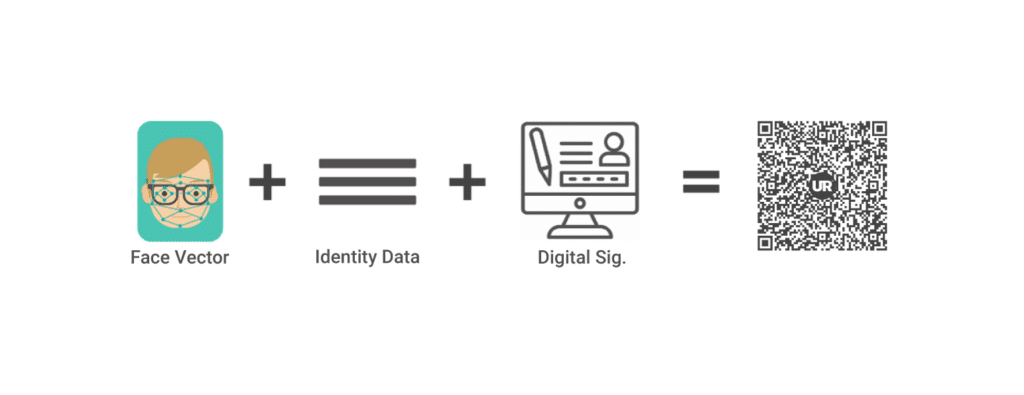
America’s healthcare sector has a major problem with identity fraud. The root cause of that problem, FaceTec argues in a new white paper, is that the credentials and identity verification methods used in healthcare are inadequate to the challenge. Biometric binding between people and credentials with the company’s UR Codes can help solve this expensive problem, FaceTec argues.
The Health & Human Services department within the Office of Inspector General (HHS-OIG) estimates the healthcare sector’s identity fraud problem is $30 billion or higher, the company notes in announcing the paper. Anywhere from 3 to 15 percent of annual healthcare expenditures in the U.S. are swallowed up by fraud, according to the National Healthcare Antifraud Association (NHCAA).
“UR Codes Provide Superior Patient Matching & Fraud Mitigation in Healthcare” explains how cryptographically-signed, printed biometric seals can be used to fix the weakness introduced into the system by current methods. Those current approaches typically rely on data like patient names and birthdates that can be easily stolen and reused by criminals to commit fraud.
Implementing UR Codes for patient matching, securing health insurance credentials and protecting health services provides a way to bring the assurance of 3D face biometrics and liveness detection to health records, along with insurance and payment credentials.
“The U.S. healthcare system is still dominated by siloed platforms that rarely interoperate effectively. At the center of nearly all of them is a single critical function: securely binding patient and provider identities to clinical and financial transactions. When identity binding is weak, patient matching fails, reimbursements are delayed, manual reconciliation increases, and the door opens to clinical errors, inefficiencies, and fraud,” says FaceTec Chief Identity Technology Strategist Jay Meier.
The white paper describes the use of UR Codes for a range of healthcare applications, including matching patients to their critical health information, verifying insurance coverage and mitigating fraud in service delivery.
Related Posts
-
 March 4, 2025
 -
 March 4, 2025
 -
 February 5, 2026
 -
 May 7, 2025
 -
 August 20, 2025
 -
 September 9, 2025
Article Topics
biometric binding | biometrics | FaceTec | healthcare | identity verification | patient identification | UR Codes

Comments